
What a Collar Stay Actually Does for a Business Shirt
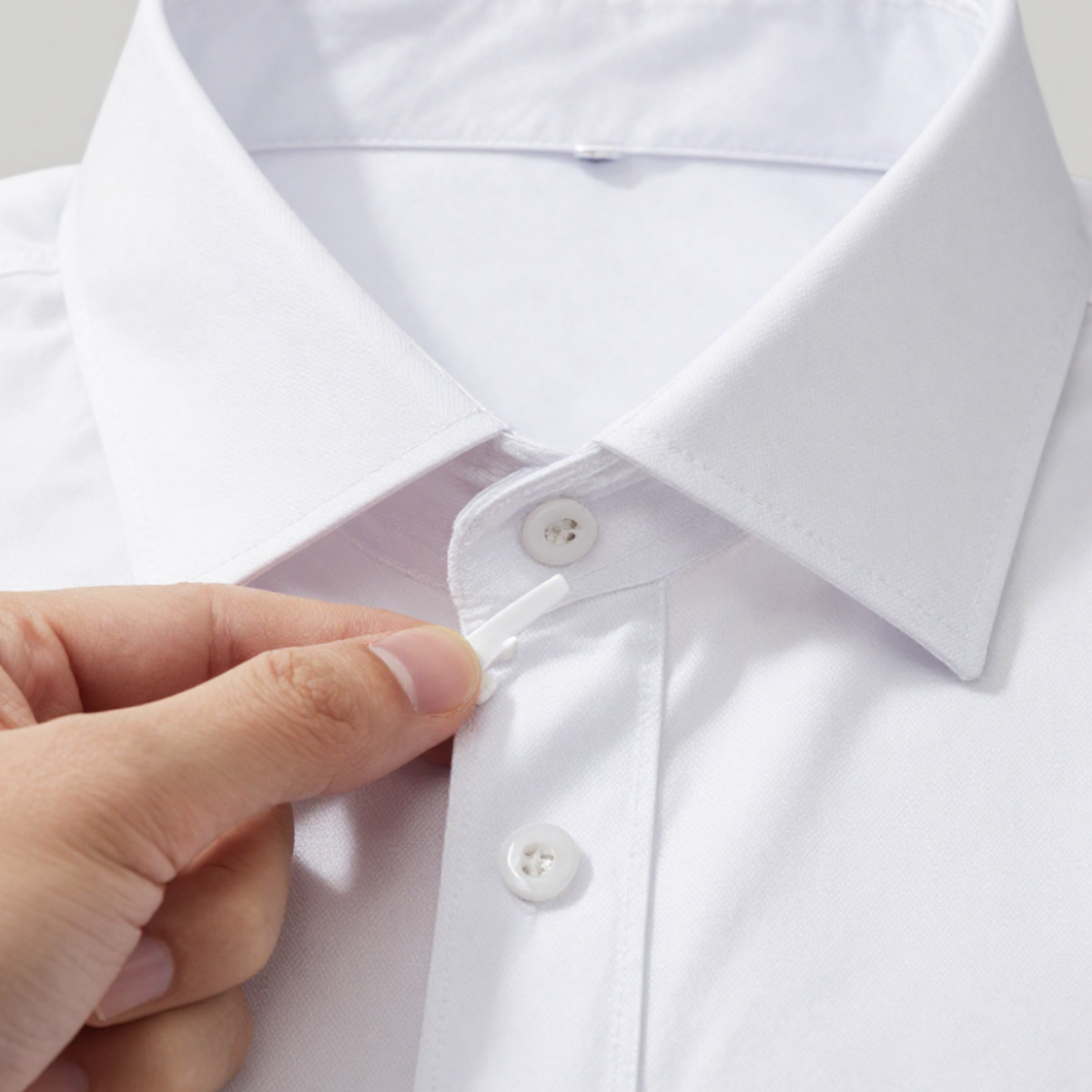
Most people meet collar stays by accident. A new shirt gets unwrapped, two small plastic strips fall out of the collar points, and they go straight into the bin along with the pins and the cardboard. Months later the same shirt has collar points that curl upward like stale sandwiches, and nobody connects the two events.
A collar stay is a small thing doing a surprisingly structural job. Understanding what it’s for — and when it needs to come out — is one of the easiest ways to make a business shirt look better and last longer.
So What Is a Collar Stay?
It’s a thin, tapered strip that slides into a sewn channel on the underside of each collar point. Most shirts above the budget end have these channels, usually with a small opening near the collar’s inner edge.
The stay sits flat and invisible under the collar, holding the point straight and anchored. Some shirts have stays permanently sewn in; most use removable ones.
The Job It’s Actually Doing
Three things, really.
The first is keeping the collar points flat against the chest instead of lifting or curling. Cotton softens with wear and washing, and a collar left to its own devices eventually loses the will to stand up.
The second is framing. A collar is the one part of a shirt that sits right next to the face, and a clean, symmetrical frame does more for how put-together someone looks than almost any other detail.
The third is handling a tie. A tie knot pushes the collar outward from underneath, and without stays the points splay and roll. With them, the collar holds its shape around the knot and keeps the line clean through the day.
Why Collars Curl Without Them
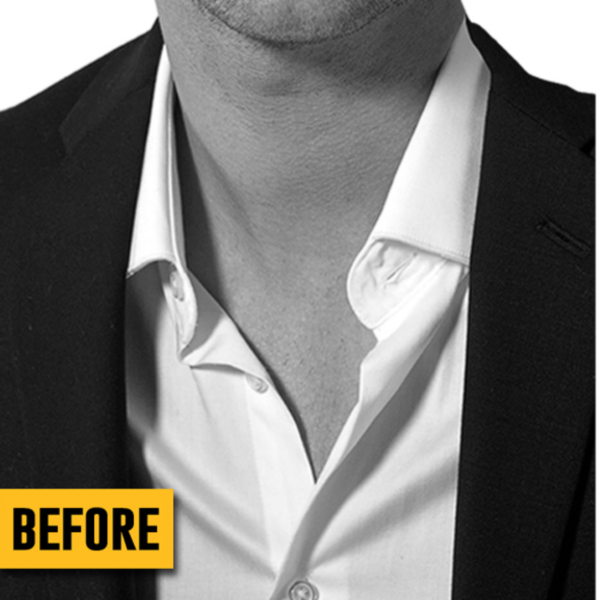
Collar points curl because of the interfacing — the inner layer that gives the collar body. Washing, heat and wear gradually soften it, and once softened it has no reason to hold a flat line. Humidity accelerates it, which is why a collar can look fine at eight in the morning and defeated by two in the afternoon.
Stays don’t stop the interfacing softening, but they carry the load while it does.
Plastic, Metal or Magnetic?
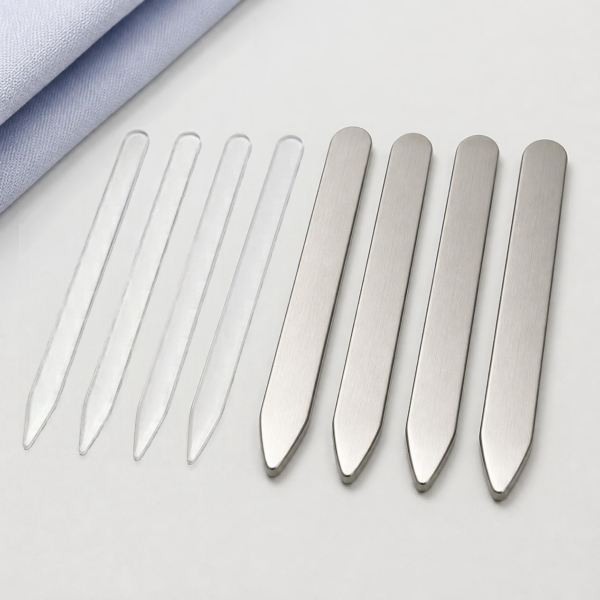
The material changes feel and longevity more than appearance.
Plastic
The standard, and the ones that come with the shirt. Light, cheap and effective. They also warp when exposed to heat, which matters more than most people realise.
Metal
Stainless steel or brass stays are stiffer, hold a flatter line and don’t deform. They’re heavier, which some people notice and others don’t, and they’re far less likely to disappear in the wash.
Magnetic
These use a small magnet worn on the outside of the collar to hold the stay in position. They give an exceptionally flat result but need care: strong magnets shouldn’t be anywhere near a washing machine, a press, or a cleaner’s equipment.
Size Matters More Than Material
A stay that’s too short lets the tip of the collar curl anyway. One that’s too long bulges the fabric and sits visibly.
Measure the collar point from the tip to the end of the channel and choose a stay a few millimetres shorter. Collars aren’t all the same length either, so a shirt with a long point collar and one with a short spread collar genuinely need different sizes.
Take Them Out Before Cleaning
This is the part worth remembering. Plastic stays can warp or melt under the heat of a dryer or a press, and a warped stay permanently distorts the collar it’s sitting in. Metal stays can mark fabric, and magnetic ones can damage equipment.
Pull both stays out before a shirt goes into the wash or into a laundry bag, and keep them somewhere consistent — a dish on the dresser works better than a pocket. Master Dry Cleaners staff check collars as a matter of course, but stays left in are easy to miss in a channel, and the risk sits with the shirt.
Worth noting too: business shirts are usually laundered and pressed rather than dry cleaned. Dry cleaning uses solvent instead of water and is reserved for items water would damage. The care label will tell you which applies to a particular shirt.
Collars That Don’t Use Stays
Button-down collars don’t need them — the buttons do the job. Some shirts have fused or sewn-in stays that are never meant to be removed, and a few casual collars have no channels at all. If there’s no opening on the underside of the collar point, the shirt isn’t built for removable stays.
Keeping Collars Looking Right

Hang shirts rather than folding them where possible, and do up the top button on the hanger so the collar keeps its shape. Avoid over-starching, which stiffens a collar in the short term but makes the fabric brittle over many cleans.
If collars are already curling, a proper press helps considerably, though fabric that has lost its structure entirely won’t return to new.
Frequently Asked Questions
Can I wash a shirt with the collar stays left in?
Better not to. Plastic stays can warp with heat and permanently misshape the collar.
What can I use if I’ve lost mine?
Replacement sets are inexpensive and widely available in plastic and metal. Improvised substitutes rarely sit flat and can mark the fabric.
Do expensive shirts still need collar stays?
Yes. Better interfacing holds up longer, but point collars still benefit from the support.
Do collar stays stop collars fraying?
No. Fraying comes from abrasion at the fold. Stays only control shape.
Shirts Worth Wearing Properly
Small details decide whether a shirt looks sharp or merely clean. If your business shirts could do with proper laundering and pressing, talk to Master Dry Cleaners — and keep those collar stays somewhere safe before they go in.