Uniform Cleaning for Restaurants and Hospitality Businesses
Uniform Cleaning for Restaurants and Hospitality Businesses
Hospitality is one of the few industries where the staff uniform is part of the product. A guest reads a grease-marked apron or a limp, grey-collared shirt the same way they read a sticky menu — as a signal about standards elsewhere. And unlike an office shirt, hospitality uniforms take genuine punishment: oil splatter, wine, sauce, sweat, kitchen heat and long shifts, night after night.
Uniform cleaning for restaurants is a different job to ordinary washing because of what’s actually on the fabric. Cooking oil in particular doesn’t behave like ordinary soil, and treating it as though it does is why so many chef whites end up permanently shadowed.
Why Kitchen Oil Is the Hardest Part
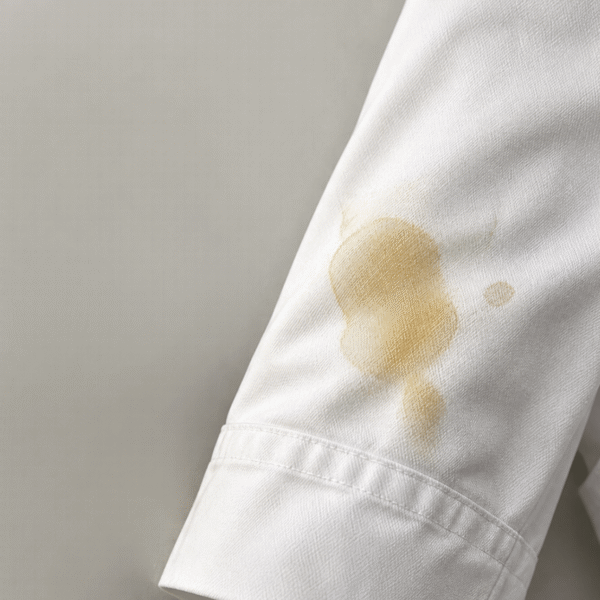
Oil doesn’t dissolve in water. A standard warm domestic wash moves it around rather than removing it, and each cycle leaves a little more behind. Over time that residue oxidises and yellows, which is where the dull, faintly grey look of well-worn whites comes from.
The residue also has a habit of reappearing. A shirt can come out looking acceptable, then show shadowy patches after a hot press as the remaining oil comes to the surface. Commercial processing tackles this with higher temperatures and detergent systems built to break oil down, giving a much better result than a domestic machine can manage.
Front of House and Back of House Need Different Handling
They’re rarely the same problem.
Kitchen whites and aprons
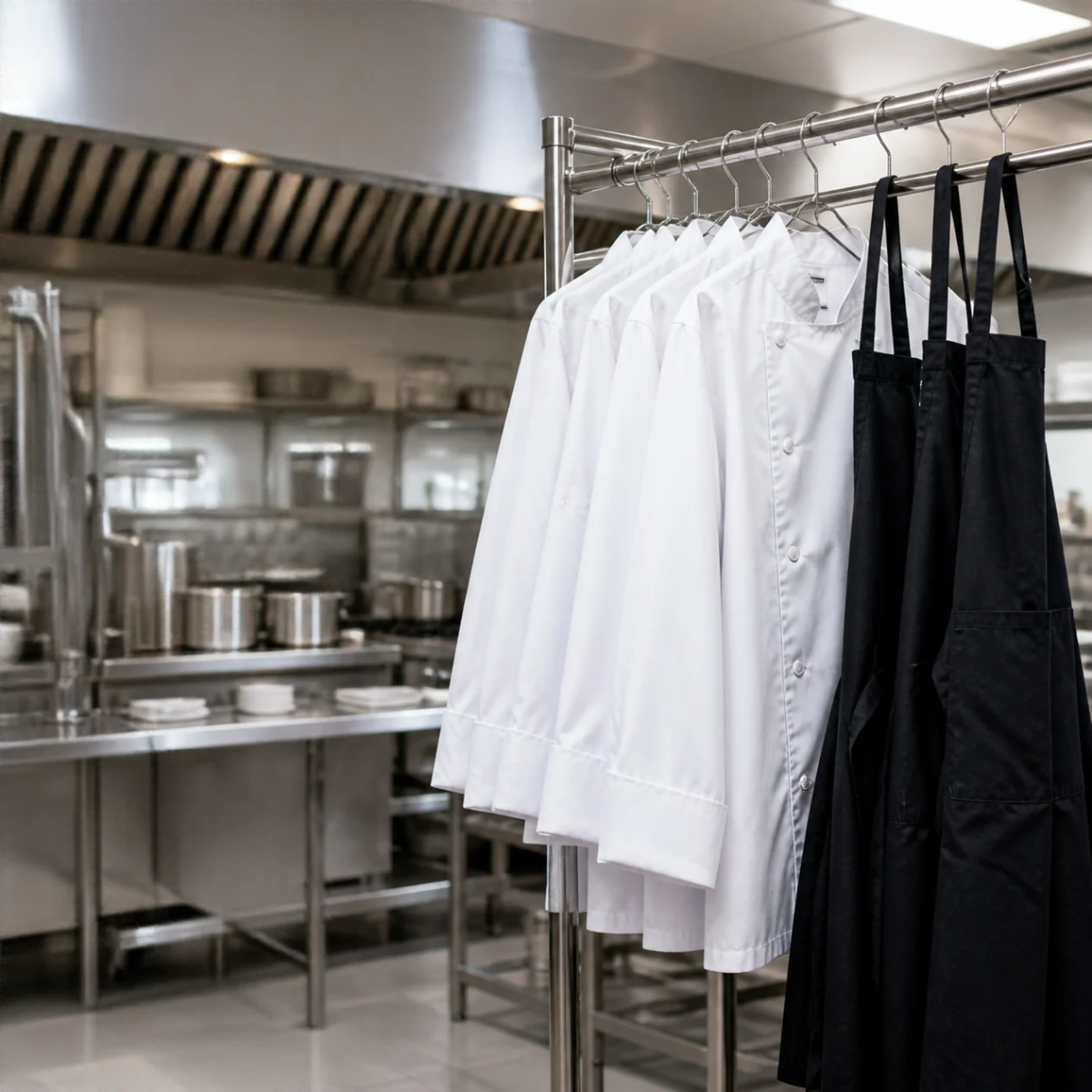
Chef jackets, aprons and trousers are usually cotton or a cotton blend and face oil, protein stains and heat. They benefit from prompt, hot, high-agitation washing and generally sit in the wash-and-fold category.
Floor and bar uniforms
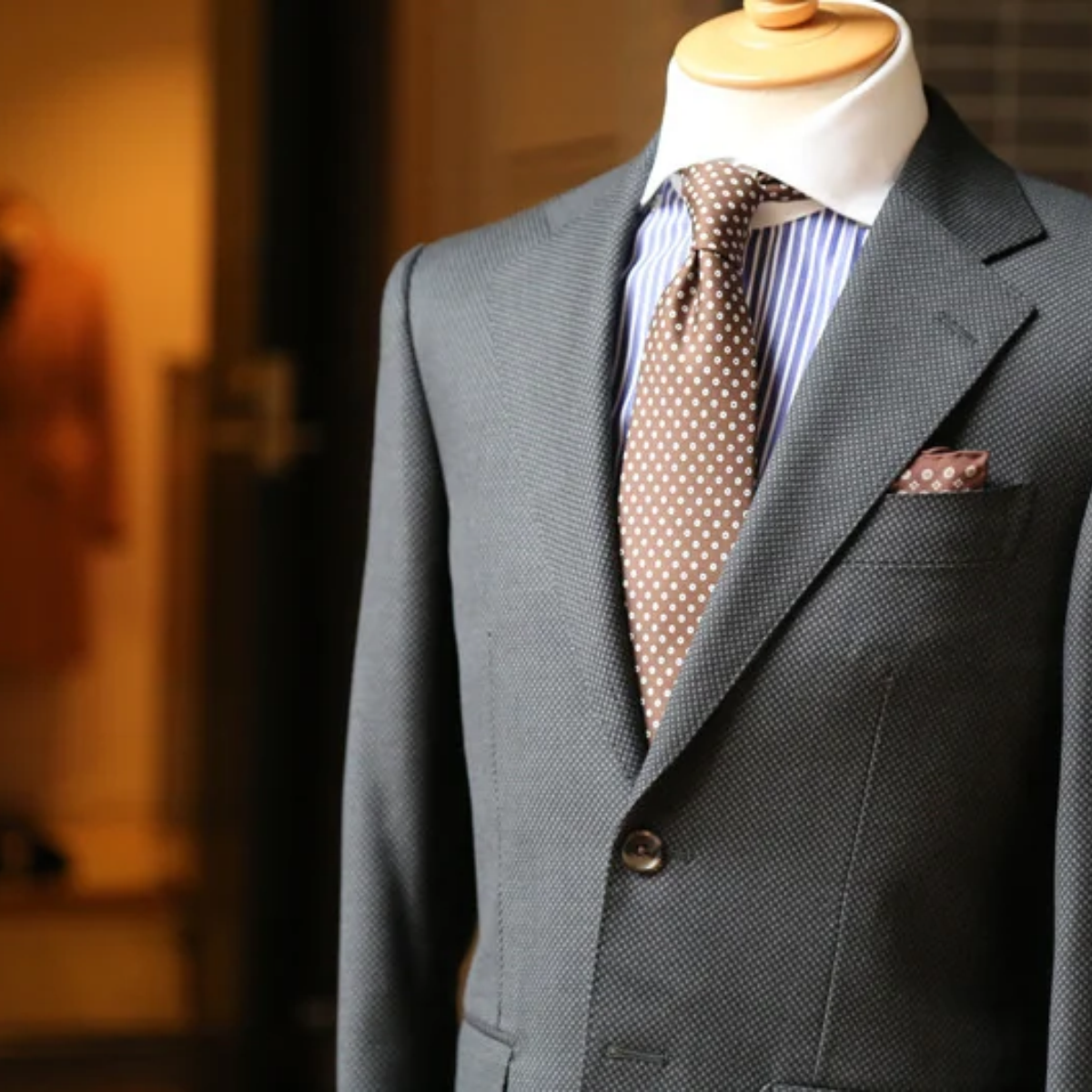
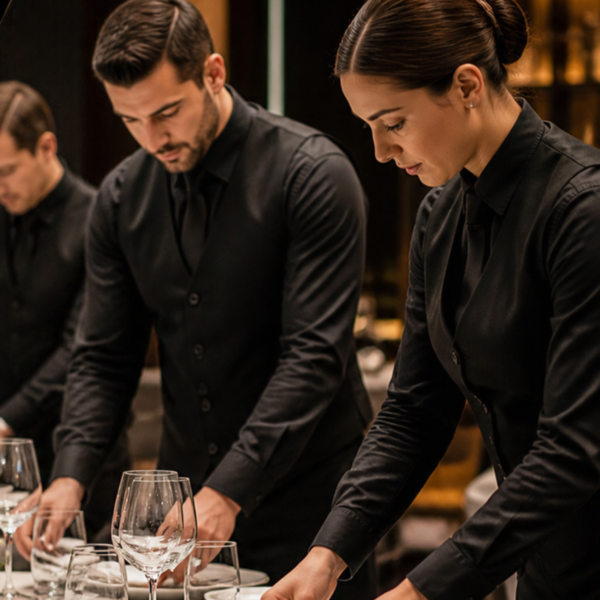
Front-of-house items are often structured — waistcoats, blazers, ties, tailored shirts — and made from wool blends or mixed fabrics. Many of these need dry cleaning, which uses solvent rather than water and protects the shape, lining and interfacing that a hot wash would ruin. Care labels are the deciding factor, and they’re worth reading before anything tailored goes near a washing machine.
Stains That Come With the Job
Red wine, tomato-based sauces, beetroot, turmeric, coffee and balsamic are the regulars, and each behaves differently.
The universal rule is to keep them cold. Hot water sets protein and tannin stains, and a dryer locks them in permanently. Blot rather than rub, get the item out of the wash pile and into the right process quickly, and don’t put a stained garment through a press until you’re sure the mark has gone.
Professional treatment improves the odds significantly, particularly on fresh marks. It’s still not a guarantee — some dyes and set stains simply won’t lift completely, and any cleaner who promises otherwise isn’t being straight with you.
Never Improvise With Chemicals
Kitchens are full of cleaning products, and it’s tempting to reach for something strong when a stain won’t budge. Bleach should never be mixed with vinegar, ammonia, oven cleaner or acid-based products — the fumes produced are genuinely dangerous, and the result on the fabric is usually worse, not better.
Presentation Is Where the Value Sits
Washing is only half of it. A uniform that fits properly, holds a press and looks the same across every staff member does something for the room that no amount of clean-but-crumpled ever will.
Consistent pressing is difficult to maintain in-house, especially when staff are laundering their own uniforms at home with different machines, different detergents and different levels of enthusiasm. Master Dry Cleaners handles both laundered and dry cleaned uniform items, which is useful when a single venue’s uniform mixes aprons with waistcoats.
Keeping Colours From Fading
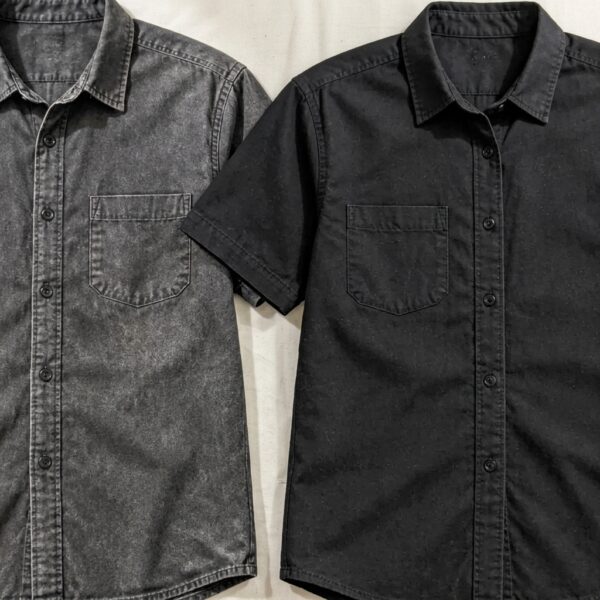
Black is the hospitality default and the fastest to look tired. Wash darks inside out, avoid overloading, and keep water temperatures appropriate to the fabric rather than defaulting to hot for everything. Overloading is the quiet killer here — garments need room to move, otherwise abrasion dulls the surface of the fabric.
Should Staff Launder Their Own Uniforms?
Plenty of venues leave it to staff, and it usually shows. Beyond the inconsistency, uniform conditions can be covered by the relevant modern award, so it’s worth checking what applies to your business before setting a policy.
Handling it centrally solves the presentation problem, takes an unpaid chore off your team, and means garments are cleaned properly rather than optimistically.
When Outsourcing Makes Sense
The usual triggers are a growing team, uniforms that no longer look consistent, whites that have gone permanently dull, or tailored items being damaged in domestic machines. If your uniform stock is being replaced faster than it should be, cleaning method is often the reason.
Frequently Asked Questions
Can yellowed chef whites be brought back?
Sometimes, with the right process. Long-set oxidised oil can be very stubborn, so results vary and full restoration isn’t always possible.
Do aprons and waistcoats get cleaned the same way?
No. Aprons are typically laundered in water, while structured waistcoats usually need dry cleaning to hold their shape.
How often should hospitality uniforms be cleaned?
After every shift for kitchen items and anything that has direct contact with food, and as needed for outer layers such as blazers.
Will professional cleaning remove every stain?
Not always. Fresh marks handled promptly have a much better chance than stains that have been washed and dried several times.
Get Your Uniforms Looking the Part
If your uniforms have stopped looking like they belong to the venue you’ve built, that’s a fixable problem. Talk to Master Dry Cleaners about uniform cleaning for your restaurant, café, bar or hotel, and get your team back in gear that presents properly.